

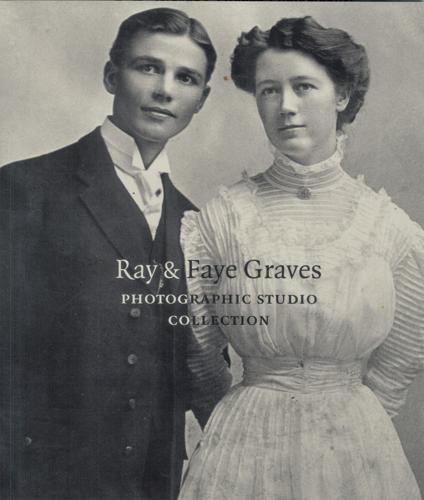


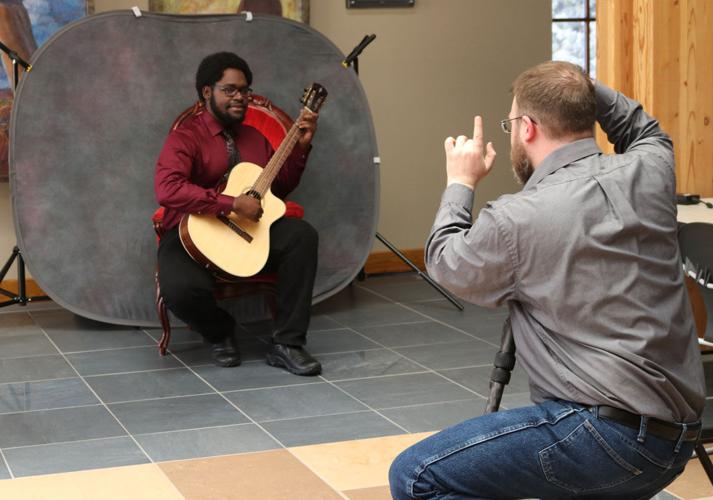
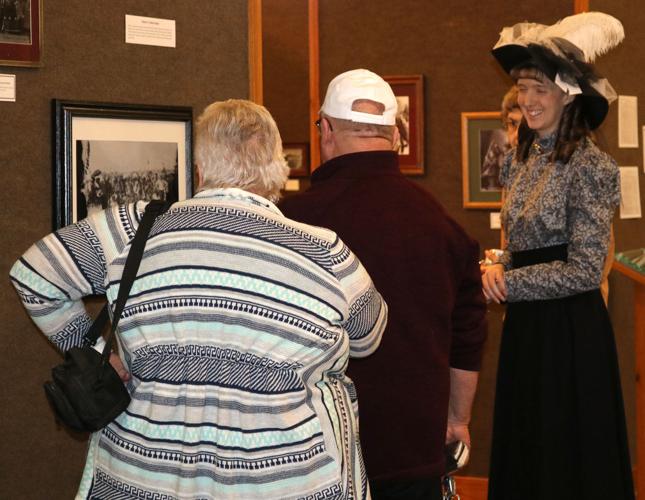


Members of the public have just two weeks remaining to view the historic Graves Photography collection currently on display at the Mari Sandoz High Plains Heritage Center. The show has been running since January but closes March 29. It honors Chadron photographers Ray and Faye Graves, who documented pioneer life in northwest Nebraska.
People are also reading…
- Closer than you think: Your next trip to the Black Hills might be within driving distance
- How Stevens’ Love was inspired by late mom's cancer fight
- Council to hear Catalyst TIF amendment that would add Elevate Rapid City to project
- Rapid City police respond to trio of gunshot incidents in roughly 3 hours
- Central States Fair employee dies from injuries suffered in shooting
- Rapid City’s On The Border restaurant staying open amid nationwide closures
- Monument Health opens second ER in Rapid City on Wednesday
- Man throws bottle at Runnings employee, brandishes knife before arrest
- Evacuations ordered in northwest Nebraska as fire affects almost 9,000 acres
- Central States Fair employee shot and injured by another employee; suspect killed in shootout with reservation law enforcement
- Your Two Cents for June 10
- Northwest Nebraska wildfire grows to more than 28,000 acres, threatens Fort Robinson, Crawford
- Your Two Cents for June 15
- South Fork Fire grows to more than 23,000 acres, threatens Fort Robinson, Crawford
- Your Two Cents for June 13
About Ray and Faye Graves
Ray Graves moved to Chadron in 1906 from his native Carleton, Nebraska. He was 20 when he relocated to northwest Nebraska and purchased his studio from a retiring local photographer. He married Faye McManimie in 1909. She had been raised in and around Chadron.
The couple set up their home above Ray’s studio, and Faye joined him in the photography business. Ray taught her the trade and sent her to a photography college in Effingham, Illinois, twice.
From 1914-1919, the couple produced some of their most dramatic work with advanced lighting thanks to 24-hour electricity in the city and interesting curtain backdrops. During this time they were able to set up studios in neighboring towns as well.
Ray and Faye established a long relationship with the Native Americans in the area, and took many images of the Oglala Lakota Sioux, including what is believed to be the last known photographs of Red Cloud before his death.
Ray died in early 1919 when the Spanish flu epidemic hit Chadron. Faye stepped away from the business for a time but eventually returned to the studio, operating it until her retirement in 1940. It is suspected that the couple together produces an estimated 10,000 glass plates.
“Ray and Faye Graves were, arguably, the best studio photographers of local Nebraska history. Their expertise at capturing subjects and scenery describe the culture of the area quite well. Their methods and techniques were the product of years of training and practice that have left us with an enduring photographic legacy of the High Plains in the early 1900s,” wrote Chadron State College intern Philip Krepel in his biography of Ray and Faye Graves, published in a book produced in conjunction with the 2004 display of the studio portraits.
Both Ray and Faye are buried in Greenwood Cemetery.
Be the first to know
Get local news delivered to your inbox!


