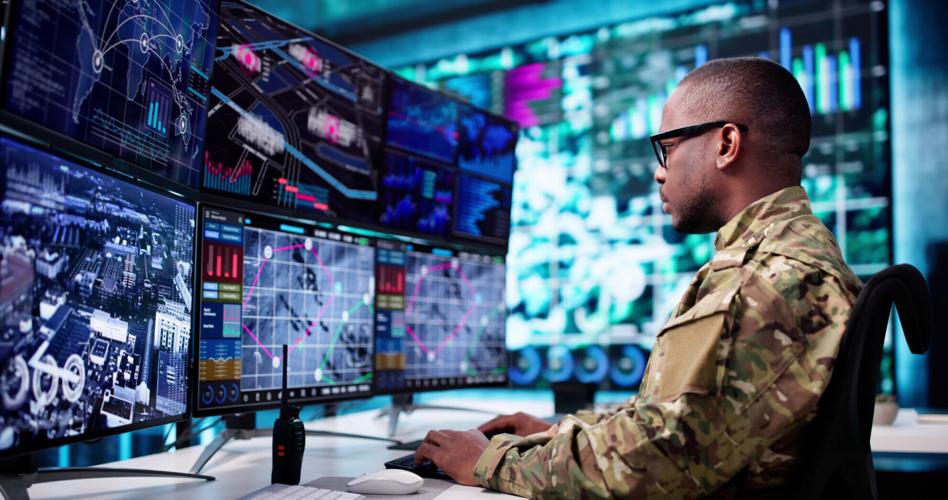


Artificial intelligence can analyze enormous amounts of information in seconds. It can identify unusual patterns, flag potential threats and generate insights faster than ever before.
But when a corporate executive receives a credible threat, a workplace violence incident unfolds or an organization faces a major security crisis, technology alone cannot determine the best course of action. These situations still require experienced professionals who can interpret information, weigh competing risks and exercise sound judgment when the stakes are high. Human leaders are best equipped for determining what information matters, how risks should be assessed and what actions should be taken to safeguard people, organizations and critical assets.
“In a rapidly changing world, organizations need professionals who can evaluate risk, interpret complex information and make sound decisions under pressure,” said Barbara Burke, Ph.D., dean of Henley-Putnam School of Strategic Security at National American University. “Technology will continue to evolve, but the need for leaders who can protect people, organizations and critical assets remains constant.”
Security leadership in an AI world
While many discussions about AI focus on technology and cybersecurity, the impact of AI reaches far beyond digital systems.
Organizations increasingly face challenges involving misinformation, workplace violence, executive threats, insider risk, reputational attacks and rapidly evolving crises. AI can help identify patterns and process information, but organizations still need professionals who can evaluate intelligence, understand human behavior, communicate risk and lead effective responses.
Today’s security professionals work in a wide range of roles, including executive protection, corporate security, intelligence analysis, investigations, emergency management and public safety leadership.
As AI becomes more sophisticated, the ability to transform information into action may become one of the most valuable skills employers seek.
Many security professionals begin their careers in military service, law enforcement, executive protection, private security, emergency response or related fields.
At Henley-Putnam, students study intelligence management, counterterrorism, and strategic security and protection management, or SSPM, a discipline that combines executive protection, protective intelligence, investigations, risk management and organizational security into a broader leadership framework.
Rather than focusing solely on how threats emerge, students learn how executive protection teams conduct advance work before major events, how protective intelligence professionals identify potential threats before they escalate and how security leaders evaluate risks that could impact employees, facilities, operations or organizational reputation.
They also develop skills in intelligence analysis, investigations, crisis preparedness and strategic communication — capabilities that help organizations navigate uncertainty and make informed decisions during high-pressure situations.
“AI can rapidly analyze data and identify patterns, but strategic security ultimately depends on professionals who can turn information into action, assess risk and make decisions when people’s lives and business operations are on the line,” Burke said.
Preparing for what’s next
The future of security will not belong to technology alone. It will belong to professionals who understand how to combine technology, intelligence, leadership and human judgment to protect people and organizations.
For more information, visit national.edu/schools/henley-putnam.