

Every year, ordinary household items send hundreds of thousands of children to emergency rooms. Toys, nursery equipment, furniture, and recreational gear are found in many homes, and most parents assume that these products are safe simply because they are available for sale on store shelves. However, the data tells a different story.
Certain categories of children’s products are responsible for a large share of injuries, ranging from minor bumps and bruises to permanent disabilities and, in the most tragic cases, death. Certain products may carry higher risks, and families may be affected in many ways when children are seriously injured.
The Products Most Likely to Injure Children
According to the United States Consumer Product Safety Commission (CPSC), toys are among the leading causes of injury to children. In 2023, more than 230,000 children were treated for toy-related injuries in hospital emergency rooms. Non-motorized scooters accounted for more than one in five of those injuries, with an estimated 53,000 injuries in 2023.
People are also reading…
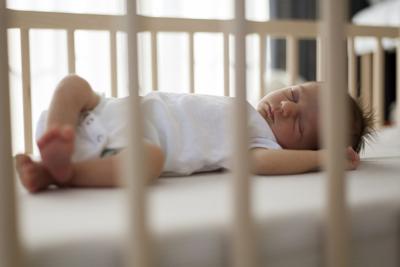
Nursery equipment, including cribs, high chairs, playpens, swings, and strollers, commonly causes injuries to young children. is another significant source of harm to young children. Around 70,000 children were treated in emergency rooms for injuries caused by these products in 2024. High chairs, cribs and mattresses, and strollers accounted for the majority of nursery product injuries among children younger than five years old. Falls were the leading cause of these incidents, and the head and face are the body parts that were most frequently injured.
Furniture that tips over, such as dressers, bookcases, and TV stands, is another serious hazard. These incidents can crush or trap a small child, resulting in serious injuries or death. Water beads, which are small, colorful, and squishy, have also drawn increased attention after thousands of ingestion-related injuries were reported among young children, prompting the CPSC to approve a new safety rule in 2025.
Lawnmowers and power tools cause tens of thousands of emergency room visits annually. Injuries may occur when children are present during yard work or when they have access to tools stored in homes. Lithium-ion batteries, which are commonly used in toys and electronics, may explode or catch fire, causing burn injuries. Fireworks also cause thousands of injuries per year.
Types of Injuries Children May Suffer Because of Dangerous Products
Common examples of injuries that may affect children when products are unsafe or are not used correctly include:
- Lacerations and Cuts: Sharp edges, broken plastic, or blades can cause deep wounds that may lead to severe blood loss and require stitches or surgery.
- Choking and Ingestion Injuries: Children may put small parts of toys or other products in their mouths, and these items may lodge in their airway or digestive tract, leading to serious or fatal injuries.
- Fractures and Head Trauma: Falls from furniture, cribs, nursery equipment, or playground equipment can cause broken bones or traumatic brain injuries.
- Burns: Overheating batteries, fireworks, and household appliances can cause serious burn injuries.
- Amputations and Crushing Injuries: Power tools, lawnmowers, and furniture that tips over can cause the loss of fingers, toes, or limbs. Heavy items may crush body parts, and some of these injuries may be fatal.
- Suffocation and Strangulation: Cords, straps, gaps in railings, or other features of nursery products can compress a child’s neck, restrict their ability to breathe, and potentially lead to death.
The Hidden Costs Affecting Families When Children Are Injured
A serious injury to a child can affect an entire family. Parents may face large medical bills for emergency treatment, surgery, physical therapy, and ongoing medical care, and these expenses may continue for years. Lifetime costs may be required if an injury results in a permanent disability. A family may also struggle to deal with a loss of income when a parent must take unpaid leave, reduce their work hours, or leave the workforce altogether to care for an injured child.
Beyond the financial impact of an injury, caring for an injured child will often require an enormous amount of time and effort. Parents may need to learn new skills as they address medical issues. They may struggle to deal with a child’s pain, anxiety, or behavioral changes following a traumatic event. Research on families that care for children with disabilities has found that these households face higher levels of financial and psychological stress compared to families of children without special needs.
Financial pressure is one of the leading factors contributing to marital conflict, and the added burden of caregiving can lead to increased resentment, exhaustion, and emotional distance between parents. In some cases, this strain may contribute to separation or divorce. When parents do separate, a child’s ongoing medical or care needs may become a central issue in child custody proceedings, and courts may need to consider which parent will be able to manage a child’s medical appointments, therapy schedules, and daily care requirements going forward.
Legal Help for Families After Children Suffer Injuries
In the aftermath of a child injury caused by a dangerous product, parents may feel overwhelmed, uncertain of their rights, and unsure of what steps they can take to address the harm their families have suffered. An attorney with experience in product liability and personal injury matters can investigate the circumstances of an injury, identify all parties who may be held responsible, and take steps to obtain compensation for medical expenses, lost wages, and pain and suffering.
In situations where families encounter issues that affect marriage or lead to disputes over child custody, a family law attorney can provide compassionate representation, helping to find solutions that will protect children’s best interests. A legal professional can provide assistance with matters that may affect a family while focusing on the well-being of parents and children, making sure the right steps are taken to address an injury and its long-term consequences.