

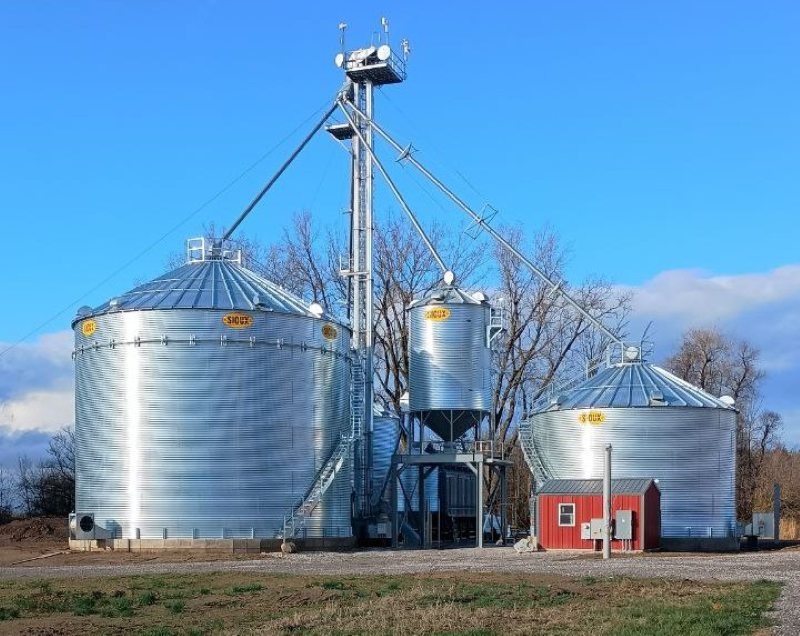
When most people think about grain storage, they picture the towering silver cylinders that dot the agricultural landscape. But the real engineering happens at the bottom of those structures, where gravity and design must work together to move thousands of bushels efficiently.
HOPPERCONE, a manufacturer based in Iroquois, has built its reputation on solving a specific problem: creating heavy-duty steel hopper bottoms that actually perform under real-world agricultural conditions.
The Foundation of Efficient Grain Handling
The difference between a flat bottom bin and a hopper bottom bin comes down to physics and practicality. Flat bottoms require augers and additional labor to extract grain. Hopper bottoms use gravity to do the work, funneling grain naturally toward the discharge point.
For farmers managing multiple bins during harvest season or facilities processing grain year-round, that distinction matters. Time spent moving grain manually is time not spent on other operations. Equipment breakdowns during critical harvest windows can mean the difference between profit and loss.
HOPPERCONE manufactures steel hoppers designed for both new installations and existing bin conversions. This dual capability addresses two distinct market needs: operations building new storage capacity and those looking to retrofit older infrastructure.
Built for Agricultural Reality
Agricultural equipment operates in harsh conditions. Temperature swings, moisture, abrasive grain movement, and the sheer weight of stored commodities test every component. Grain storage solutions need to withstand these forces season after season.
The company specializes in heavy-duty construction for hopper bottom bins, focusing on durability that matches the demands of agricultural and industrial applications. Their custom hoppers serve operations ranging from individual farms to larger commercial facilities.
The grain bin conversion service particularly appeals to operations with existing flat bottom bins. Rather than replacing entire structures, converting to hopper bottoms extends the useful life of current infrastructure while improving functionality.
Manufacturing in the Heartland
Operating from Iroquois puts HOPPERCONE in the center of grain country. The proximity to agricultural operations provides direct insight into the challenges farmers and millwrights face with grain storage and handling systems.
This regional knowledge influences product development. Manufacturers who understand local conditions can design for specific requirements: the types of grain commonly stored, typical storage volumes, climate considerations, and operational workflows.
For millwrights and agricultural operations managers, working with a regional manufacturer can simplify logistics, reduce shipping costs, and provide access to expertise familiar with local agricultural practices.
Custom Solutions for Diverse Operations
No two grain storage operations are identical. Bin sizes vary. Discharge requirements differ. Site conditions present unique challenges. Off-the-shelf solutions often require compromises.
HOPPERCONE's custom hopper manufacturing addresses this variability. Operations can specify dimensions, materials, and configurations that match their particular needs rather than adapting their systems to standardized products.
This customization applies to both new construction and conversions. An existing flat bottom bin conversion might require precise measurements to integrate with current structures. New hopper bottom grain bins can be designed from the ground up to match planned capacity and workflow.
Practical Considerations for Grain Storage Investment
Deciding between flat bottom and hopper bottom bins involves calculating long-term costs versus immediate investment. While hopper bottoms typically cost more upfront, they reduce labor requirements and improve grain handling efficiency over their operational lifetime.
For operations planning expansion, choosing hopper bottom bins from the start can be more cost-effective than later conversions. For those with existing infrastructure, conversions offer improved functionality without the expense of complete replacement.
Industrial facilities with specialized grain handling needs may require hoppers designed for specific applications: different discharge angles, varying capacities, or integration with existing processing equipment.
Taking the Next Step
Agricultural operations considering new grain storage or upgrades to existing systems can explore options through HOPPERCONE's website at hoppercone.com. The site provides information about their steel hopper manufacturing capabilities and grain bin conversion services.
Whether planning new construction or evaluating flat bottom bin conversion possibilities, speaking with manufacturers who specialize in hopper bottom grain bins can clarify options and help match solutions to specific operational requirements.
Grain storage represents a significant investment for any agricultural or industrial operation. Choosing components built to last and designed for efficient grain handling contributes to long-term operational success.


